
Have you ever taken a sip of a cold drink and suddenly felt a sharp “zing” in your tooth? Or perhaps hot tea, ice cream, sweets, or even a breath of cold air has caused a quick burst of discomfort. That sudden sensation is often described as tooth sensitivity. It can last only a few seconds, but when it keeps happening, it can become frustrating and may make you avoid some of your favorite foods and drinks. Occasional sensitivity doesn’t always mean there is a serious dental problem.
However, persistent or worsening sensitivity shouldn’t simply be ignored. Tooth sensitivity can have several causes, ranging from exposed tooth roots and enamel wear to cavities, cracked teeth, or gum problems. Identifying the underlying cause is important because treatment depends on what’s actually happening inside or around the tooth.
What Is Tooth Sensitivity?
Tooth sensitivity, also called dentin hypersensitivity, occurs when the dentin—the layer beneath the tooth enamel—becomes exposed or more vulnerable to external stimuli. Dentin contains microscopic channels that connect toward the nerve-containing part of the tooth. When these areas are exposed, hot, cold, sweet, or acidic foods and drinks can trigger a sudden sensation.
Sensitivity often feels like:
- A quick, sharp pain
- A sudden “zing”
- Discomfort when drinking something cold
- Sensitivity to hot foods or drinks
- Pain from sweet or acidic foods
- Discomfort while brushing
- Sensitivity when breathing in cold air
For some people, the discomfort disappears almost immediately. For others, it may last longer or become increasingly frequent.
1. Worn Tooth Enamel
Enamel is the hard outer layer that protects your teeth. Although enamel is extremely strong, it can gradually wear down due to factors such as aggressive brushing, acidic foods and drinks, or certain habits. As enamel becomes thinner, the underlying dentin can become more exposed, increasing the likelihood of sensitivity. What can help?
Use a soft-bristled toothbrush and gentle brushing technique. If you frequently consume acidic foods or drinks, talk to your dentist about ways to reduce their impact on your teeth.
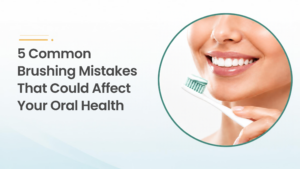
2. Brushing Too Hard
If you believe that harder brushing means cleaner teeth, it’s time to rethink that habit. Applying excessive pressure can contribute to enamel wear and gum recession, particularly when combined with an abrasive brushing technique. You don’t need to scrub your teeth aggressively to remove plaque.
Instead, use gentle pressure, a soft-bristled toothbrush, and consistent technique. If your toothbrush bristles become flattened or frayed very quickly, you may be brushing too forcefully.
3. Gum Recession and Exposed Tooth Roots
Your gums provide important protection for the roots of your teeth. When gums recede, parts of the tooth root can become exposed. Unlike enamel, the root surface does not have the same protective enamel covering. This can make the area particularly sensitive to cold, heat, touch, and brushing.
Gum recession may be associated with factors such as aggressive brushing, gum disease, or other individual conditions. If you notice that your teeth appear longer than before or sensitivity is concentrated near the gumline, it’s worth having the area examined.
4. Tooth Decay
Not every sensitive tooth is simply “sensitive.” A cavity can cause sensitivity, especially when decay reaches deeper layers of the tooth. You may experience discomfort when eating sweet foods or drinking something hot or cold. As decay progresses, symptoms may become more noticeable. This is one reason you shouldn’t rely solely on desensitizing toothpaste if sensitivity keeps returning. If decay is the cause, the tooth needs appropriate dental treatment.
5. Cracked or Damaged Teeth
A cracked tooth can sometimes cause an unusual type of sensitivity. You may notice pain when:
- Biting down
- Releasing your bite
- Eating hard foods
- Consuming hot or cold foods
The symptoms can sometimes be difficult to pinpoint because the crack may not be visible to you. If sensitivity occurs mainly in one tooth, particularly when chewing, don’t ignore it. Your dentist can evaluate the tooth and determine whether a crack, fracture, or another problem is responsible.
6. Recent Dental Treatment
Temporary sensitivity can sometimes occur after certain dental procedures. For example, some people experience sensitivity after:
- Professional dental cleaning
- Tooth filling
- Crown placement
- Teeth whitening
- Other dental procedures
The duration and severity can vary depending on the procedure and the condition of the tooth beforehand. If your dentist has told you that temporary sensitivity is expected, follow the recommended aftercare instructions. However, if sensitivity is severe, persists longer than expected, or becomes worse, contact your dentist.
7. Teeth Grinding or Clenching
Do you wake up with a sore jaw or notice that your teeth feel sensitive without an obvious reason? Teeth grinding or clenching, known as bruxism, can place excessive forces on your teeth. Over time, this may contribute to tooth wear, cracks, or other problems that can increase sensitivity. If you suspect that you grind or clench your teeth, particularly during sleep, discuss it with your dentist. They can evaluate signs of tooth wear and recommend appropriate management.
8. Acidic Foods and Drinks
Your daily diet can also affect enamel. Frequent exposure to acidic foods and beverages may contribute to enamel erosion over time.
Common examples include:
- Soft drinks
- Citrus fruits and juices
- Sports and energy drinks
- Vinegar-based foods
- Certain acidic beverages
You don’t necessarily need to eliminate these foods completely. Instead, consider reducing frequent exposure, choosing water more often, and avoiding brushing immediately after an acidic exposure. Rinsing with water can help clear acids from the mouth. If sensitivity is persistent, your dentist can help identify whether dietary habits may be contributing.
When Is Tooth Sensitivity Normal?
Some temporary sensitivity may occur after certain dental treatments or occasional exposure to very cold or hot foods. But repeated sensitivity isn’t something you should simply accept as normal.
If you frequently experience sensitivity or find yourself changing what you eat and drink because of tooth discomfort, consider scheduling a dental examination. The cause may be something simple to manage, but only an examination can determine what’s actually happening.
When Should You See a Dentist?
Make a dental appointment if your sensitivity is
Persistent
If sensitivity continues to occur regularly rather than disappearing after an occasional episode, get it checked.
Getting Worse
Increasing frequency or intensity may indicate that an underlying problem needs attention.
Limited to One Tooth
Sensitivity concentrated in a single tooth can sometimes be associated with decay, damage, or another localized problem.
Associated With Pain While Chewing
Pain when biting or releasing your bite should be evaluated, particularly if it is recurring.
Accompanied by Swelling
Swelling around the gums or face requires prompt dental attention.
Associated With a Broken or Cracked Tooth
A damaged tooth should be evaluated rather than left untreated.
Interfering With Daily Life
If you avoid cold drinks, hot foods, sweets, or brushing because of sensitivity, professional evaluation can help identify the cause.
Can Tooth Sensitivity Be Prevented?
You can’t prevent every cause of tooth sensitivity, but good oral care can reduce the risk of several contributing problems.
Brush gently
Use a soft-bristled toothbrush and avoid excessive pressure.
Use fluoride toothpaste
Fluoride helps strengthen enamel and protect teeth against decay. Your dentist can also recommend a toothpaste designed for sensitive teeth when appropriate.
Clean between your teeth
Floss or use an interdental cleaner regularly to remove plaque from areas a toothbrush can’t effectively reach.
Limit frequent acidic exposure
If you consume acidic foods or drinks, avoid having them repeatedly throughout the day.
Don’t use your teeth as tools
Opening packages, cutting tape, or biting hard objects can damage teeth and contribute to cracks.
Address teeth grinding
If you grind or clench your teeth, ask your dentist about appropriate options.
Keep regular dental appointments
Routine examinations can help identify cavities, gum problems, enamel wear, and other issues before they become more complicated.
What Treatments Can Help Sensitive Teeth?
Treatment depends entirely on the cause.
Depending on the diagnosis, your dentist may recommend:
- Desensitizing toothpaste
- Fluoride treatments
- Treatment for cavities
- Gum-related treatment
- A filling or restoration for damaged tooth structure
- Treatment for a cracked or fractured tooth
- A dental crown when appropriate
- Management of teeth grinding
- Other treatments based on the underlying condition
The important point is that there isn’t one treatment that works for every sensitive tooth. Using sensitivity toothpaste may help manage symptoms, but if the underlying cause is a cavity or cracked tooth, professional treatment may still be necessary.
Don’t Let “Just Sensitivity” Delay Treatment
One of the biggest mistakes people make is assuming that sensitive teeth are simply something they have to live with. Sometimes sensitivity is related to relatively minor factors, such as temporary irritation or exposed dentin. But it can also be a warning sign of tooth decay, gum recession, enamel erosion, a cracked tooth, or another dental problem.
The earlier the cause is identified, the sooner appropriate treatment can begin. That sudden sharp sensation when you drink something cold may seem insignificant, but your teeth can sometimes use sensitivity as a way of telling you that something needs attention. Tooth sensitivity isn’t a diagnosis—it’s a symptom. The right response isn’t necessarily to stop eating ice cream or drinking cold water forever. Instead, pay attention to when the sensitivity occurs and whether it is becoming more frequent or uncomfortable.
Maintain good oral hygiene, brush gently, clean between your teeth, make thoughtful food and drink choices, and keep up with regular dental check-ups. And if sensitivity persists, becomes painful, or is accompanied by swelling or other symptoms, see your dentist rather than trying to manage the problem indefinitely at home. Your teeth shouldn’t have to dictate what you eat, drink, or enjoy. Listen to the warning signs, find the cause, and give your smile the care it deserves.