
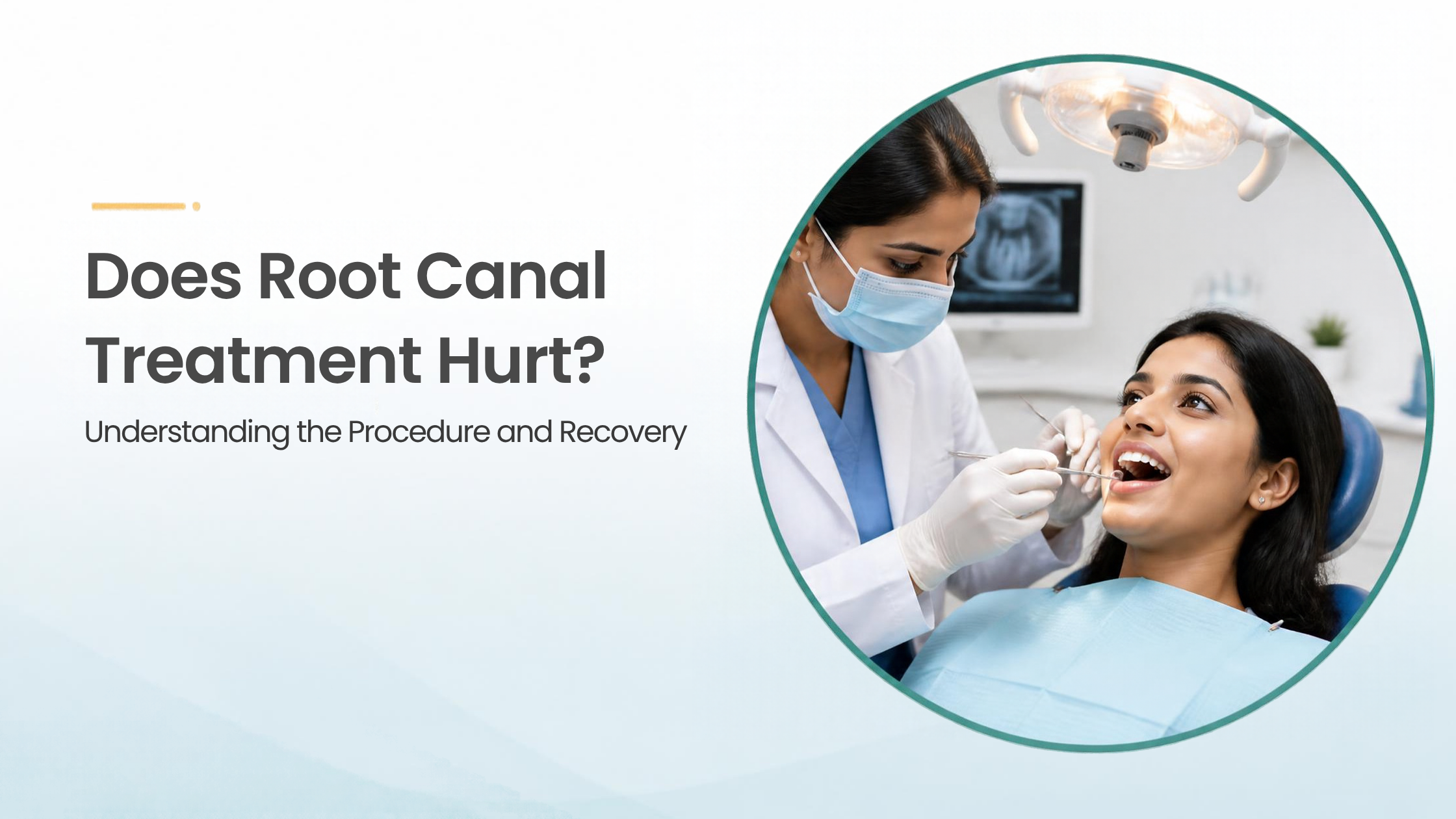
The words “root canal” can make many people nervous. For some, the first thought is pain. Others imagine a long, uncomfortable dental procedure and wonder whether it might be better to simply live with a painful tooth. But modern root canal treatment is very different from the frightening reputation it has developed over the years.
So, does root canal treatment hurt?
In most cases, the procedure itself is performed under local anesthesia to numb the tooth and surrounding area. You may feel pressure or movement during treatment, but you should not expect significant pain during the procedure. In fact, root canal treatment is performed to remove the source of tooth pain and help save the natural tooth.
Why Do You Need a Root Canal?
Inside every tooth is a soft tissue called the pulp, which contains nerves and blood vessels. When the pulp becomes inflamed or infected, it can cause significant discomfort. This may happen because of:
- Deep tooth decay
- A crack or fracture in the tooth
- Repeated dental procedures
- Trauma or injury
- Untreated damage to the tooth
Symptoms can vary. Some people experience severe toothache, while others notice sensitivity to hot or cold, pain while chewing, swelling, or tenderness around the tooth. Sometimes, however, an infected tooth may cause little or no noticeable pain. A dentist may recommend root canal treatment when the pulp is irreversibly inflamed or infected and the tooth can be saved.
Does Root Canal Treatment Hurt?
This is usually the first question patients ask. The treatment itself is generally performed under local anesthesia, which numbs the tooth and surrounding tissues. During the procedure, you may experience sensations such as:
- Pressure
- Vibration
- Movement
- Mild pushing or pulling
These sensations are different from the sharp pain associated with an untreated dental infection. If you feel discomfort during treatment, tell your dentist. Additional local anesthesia or other adjustments may be used to improve your comfort. One important point is that the pain people associate with a root canal may actually come from the infected or inflamed tooth before treatment, rather than from the treatment itself.
What Happens During a Root Canal?
1. Examination and Diagnosis
Knowing what to expect can make the procedure seem much more manageable.
Your dentist first examines the tooth and may take dental X-rays to understand the condition of the tooth and surrounding bone. The dentist will determine whether root canal treatment is appropriate and discuss the treatment plan with you.
2. Local Anesthesia
The area around the affected tooth is numbed using local anesthesia. The goal is to make the procedure as comfortable as possible.
3. Accessing the Tooth
The dentist creates a small opening in the tooth to reach the infected or inflamed pulp.
4. Removing the Affected Pulp
The damaged pulp tissue is carefully removed from inside the tooth. The root canals are then cleaned and shaped to remove infected material and prepare them for filling.
5. Cleaning and Sealing
After the canals have been cleaned and shaped, they are filled and sealed to help prevent bacteria from entering the treated space again.
6. Restoring the Tooth
Depending on the condition and location of the tooth, your dentist may recommend a filling or dental crown to restore its structure and function. For many teeth, particularly back teeth that experience significant chewing forces, a crown may be recommended after root canal treatment.
What Can You Expect After a Root Canal?
It is normal for the treated area to feel slightly different after the procedure. You may experience:
- Mild soreness
- Tenderness when biting
- Sensitivity around the treated tooth
- Mild discomfort for a few days
This discomfort is usually manageable and should gradually improve. Your dentist may provide specific aftercare instructions depending on your treatment. Until your dentist confirms that the tooth has been fully restored, avoid putting unnecessary pressure on it, particularly if a permanent restoration has not yet been placed.
Why Can the Tooth Feel Sore After Treatment?
A common question is, “If the infected pulp has been removed, why does my tooth still hurt?”
The tissues surrounding the root of the tooth are still alive. They can become irritated during the infection and treatment process. As the surrounding tissues recover, the tooth may remain tender for a short period. This doesn’t necessarily mean the root canal has failed. However, persistent, severe, or worsening pain should not be ignored. Contact your dentist if your symptoms do not improve or if you develop swelling, fever, or significant discomfort.
How Long Does Recovery Take?
Recovery varies from person to person. Many patients can return to their normal activities relatively quickly, although the tooth may remain mildly sensitive or tender for several days.
Your dentist will advise you on:
- When to chew normally on the treated tooth
- Whether you need a temporary restoration
- When to return for a permanent crown or filling
- Which foods or activities to avoid temporarily
- Any medication or aftercare instructions
Following these instructions can help protect the tooth while it heals and is restored.
How Can You Make Recovery More Comfortable?
A few simple habits can make the recovery period easier. Follow your dentist’s instructions. Every tooth and treatment is different. Follow the specific advice provided by your dental professional.
1. Avoid chewing hard foods on the treated tooth
If the tooth has not yet received its permanent restoration, it may be more vulnerable to fracture.
2. Maintain good oral hygiene
Continue brushing and cleaning between your teeth unless your dentist advises otherwise.
3. Take medication only as directed
If your dentist recommends medication for discomfort, follow the prescribed instructions.
4. Don’t ignore unusual symptoms
Increasing pain, swelling, fever, or difficulty opening your mouth should be reported to your dentist.
Root Canal vs. Tooth Extraction
When a tooth is badly infected, some patients immediately wonder whether extraction would be easier. However, root canal treatment is intended to save the natural tooth when possible.
Keeping your natural tooth can help maintain normal chewing function and preserve the existing tooth structure and alignment. If a tooth is removed, replacing it may require another treatment, such as a dental implant, bridge, or other tooth-replacement option.
When Should You See a Dentist?
Don’t wait until tooth pain becomes unbearable. Contact your dentist if you experience:
- Persistent toothache
- Sensitivity to hot or cold
- Pain while chewing
- Swelling around the tooth or gums
- A broken or cracked tooth
- A recurring dental infection
- A pimple or bump on the gum near a tooth
Early evaluation can help identify the cause and determine the appropriate treatment.
Does root canal treatment hurt?
For most patients, the procedure itself is performed with local anesthesia to keep the area numb and comfortable. You may experience pressure or some sensations during treatment, while mild soreness or tenderness can occur afterward.
More importantly, root canal treatment can help remove infected or inflamed pulp, relieve the source of dental pain, and preserve a natural tooth when the tooth is suitable for treatment. If you’re experiencing tooth pain, don’t let fear of a root canal keep you from getting examined. The sooner a painful or damaged tooth is evaluated, the sooner you can understand your treatment options and take the next step toward a healthier smile.