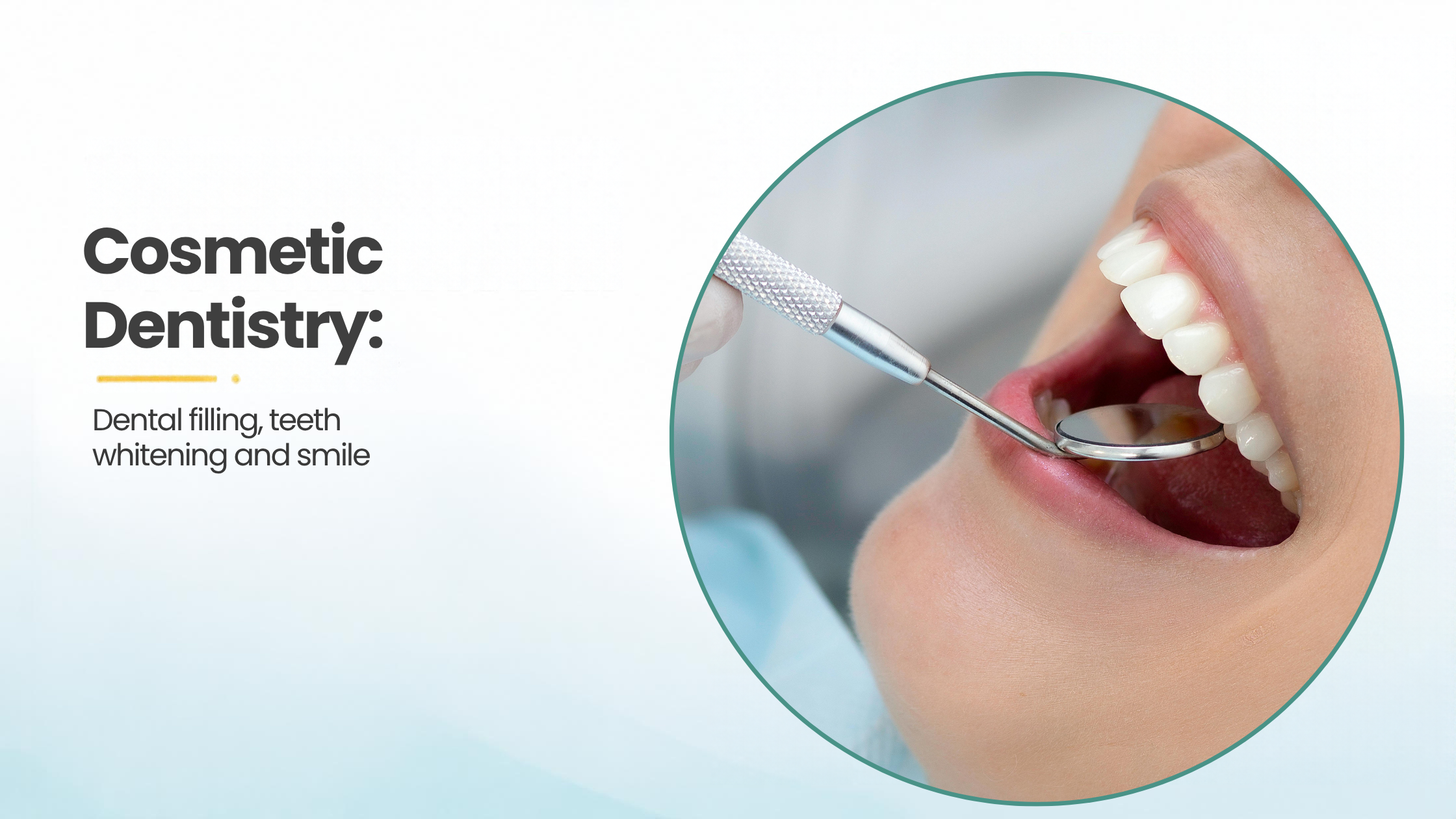
A healthy, beautiful smile can make a big difference in how you feel about yourself. Whether you want to repair a chipped tooth, treat a cavity, or brighten stained teeth, cosmetic dentistry offers several treatment options to improve the appearance of your smile while supporting your oral health. Dental fillings and teeth whitening are two commonly used dental treatments that address different concerns. Dental fillings help restore teeth damaged by decay or minor fractures, while teeth whitening reduces certain types of stains and discoloration. Depending on your dental needs, your dentist may recommend one treatment or a combination of procedures to help you achieve your smile goals.
At Shree Dental Center, understanding your dental concerns and choosing the right treatment are important steps toward maintaining a healthy and confident smile.
What Is Cosmetic Dentistry?
Cosmetic dentistry focuses on improving the appearance of teeth, gums, and the overall smile. Depending on the treatment, cosmetic procedures may also restore tooth function and help protect damaged teeth. Some treatments primarily address appearance, while others combine cosmetic improvements with restorative benefits.
Common cosmetic and restorative dental treatments include:
- Dental fillings: Repair teeth affected by cavities or minor damage.
- Professional teeth whitening: Reduces certain stains and discoloration.
- Dental bonding: Uses tooth-colored material to improve the appearance of chipped, uneven, or slightly spaced teeth.
- Dental veneers: Thin coverings placed on the front surfaces of selected teeth to improve their shape, color, or appearance.
- Dental crowns: Cover and protect weakened or significantly damaged teeth.
- Clear aligners and braces: Correct tooth alignment and bite-related concerns.
The right treatment depends on your oral health, the condition of your teeth, your expectations, and your dentist’s recommendations. A dental examination helps determine which options are appropriate for you.
Dental Fillings: Restoring Damaged Teeth
Dental fillings are used to repair teeth affected by cavities, also known as tooth decay. When bacteria in the mouth produce acids that damage tooth enamel, a cavity may develop. If left untreated, decay can progress deeper into the tooth and cause pain, infection, or more extensive damage. A dental filling restores the affected area after the dentist removes the decayed portion of the tooth. It helps preserve the remaining natural tooth structure and restore normal function.
When Do You Need a Dental Filling?
You may need a dental filling if you experience:
- Tooth sensitivity to hot, cold, or sweet foods.
- Pain or discomfort while chewing.
- Visible holes, pits, or dark spots on a tooth.
- Food is frequently getting trapped in a particular area.
- A chipped or damaged tooth that requires restoration.
However, cavities do not always cause noticeable symptoms in their early stages. Regular dental checkups can help identify tooth decay before it becomes more serious.
Types of Dental Fillings
Dentists can use different materials depending on the location and extent of the damage, your oral health, and your treatment preferences.
Composite fillings
Composite fillings are made from tooth-colored resin materials. They can be matched to the natural shade of your teeth, making them a popular option for restoring visible teeth. The material bonds to the tooth structure and is shaped to restore its appearance and function.
Amalgam fillings
Amalgam fillings are silver-colored restorations traditionally used for certain cavities, particularly in back teeth. They are durable, although their metallic appearance may make them less desirable for people seeking a natural-looking result.
Glass ionomer fillings
Glass ionomer materials can release fluoride and are used in selected situations, depending on the location of the cavity and the patient’s needs. They may be appropriate for certain restorations, although they are generally less wear-resistant than composite materials.
What Happens During a Dental Filling Procedure?
A dental filling is usually completed in a single appointment.
The process typically involves the following steps:
- Dental examination: The dentist examines the affected tooth and may take an X-ray if necessary.
- Preparation: Local anesthesia may be used to keep you comfortable during treatment.
- Removal of decay: The dentist removes the decayed portion of the tooth.
- Placement of the filling: The selected filling material is placed into the prepared area.
- Shaping and polishing: The restoration is shaped to fit your bite and polished for a smooth finish.
After the procedure, you may experience temporary sensitivity. Follow your dentist’s instructions and contact the clinic if you experience persistent pain, increasing sensitivity or discomfort when biting.
Benefits of Dental Fillings
Dental fillings offer several important benefits:
- Restore the shape and function of damaged teeth.
- Help prevent decay from progressing when treated appropriately.
- Preserve more natural tooth structure than some extensive restorative procedures.
- Improve the appearance of teeth when tooth-colored materials are used.
- Support comfortable chewing and everyday oral function.
Remember that a filling does not make a tooth immune to future decay. Brushing with fluoride toothpaste, cleaning between your teeth, and attending regular dental checkups remain essential.
Teeth Whitening: A Brighter, More Confident Smile
Teeth whitening is a cosmetic dental treatment designed to reduce certain types of tooth discoloration. Over time, teeth may become stained due to food, beverages, tobacco use, or natural changes associated with aging. Coffee, tea, red wine, and certain strongly colored foods can contribute to surface stains. Some discoloration develops deeper within the tooth and may require a different treatment approach.
Professional teeth whitening uses approved bleaching agents to lighten the natural color of teeth. Your dentist can assess the cause of discoloration and determine whether whitening is likely to produce the results you want.
What Causes Teeth to Become Yellow or Stained?
Tooth discoloration can develop for several reasons.
Food and beverages: Coffee, tea, and other deeply colored drinks can cause staining over time.
Aging: As you age, enamel can gradually become thinner, making the naturally yellowish dentin beneath it more visible.
Tobacco use: Smoking and other tobacco use can cause noticeable surface stains.
Poor oral hygiene: Plaque buildup can affect tooth appearance and contribute to other oral health problems.
Certain medications or dental conditions: Some medications, developmental conditions, and previous dental injuries can cause discoloration that may not respond well to ordinary whitening treatments.
Identifying the cause of staining is important because not every type of discoloration can be treated effectively with whitening alone.
Professional Teeth Whitening vs. Home Whitening
There are several ways to whiten teeth, but the results and suitability can vary.
Professional teeth whitening
Professional whitening is performed or supervised by a dental professional. Your dentist checks your teeth and gums, considers existing restorations, and selects an appropriate whitening approach.
Benefits may include:
- A treatment plan suited to your dental condition.
- Guidance on managing sensitivity.
- Assessment of the cause of discoloration.
- Professional monitoring and advice on maintaining results.
At-home whitening products
Whitening strips, gels, and other products may help reduce certain stains when used according to their instructions. However, their effectiveness depends on the product, the type of discoloration, and how consistently they are used. Some people experience gum irritation or tooth sensitivity. Using excessive amounts of whitening products or applying them more frequently than recommended can increase these risks.
What Happens During Professional Teeth Whitening?
The exact procedure depends on the whitening system your dentist recommends.
A typical appointment may include:
- Dental assessment: Your dentist examines your teeth and gums to check whether whitening is appropriate.
- Cleaning, if needed: Plaque and surface deposits may be removed before treatment.
- Gum protection: The dentist protects the gums and other soft tissues as required by the whitening system.
- Application of whitening agent: A suitable whitening product is applied according to the manufacturer’s instructions.
- Evaluation: Your dentist reviews the results and provides guidance on aftercare.
The duration and number of sessions depend on the method used and the level of discoloration.
Is Teeth Whitening Safe?
Teeth whitening can be safe for many people when suitable products are used correctly and professional guidance is followed. Temporary tooth sensitivity and gum irritation are among the most common side effects. These symptoms often improve after treatment, but persistent or severe discomfort should be assessed by a dentist. Whitening is not suitable for every situation. Untreated cavities and gum disease should be addressed first. Additionally, crowns, veneers, and composite fillings do not whiten in the same way as natural teeth, so existing restorations may not match the surrounding teeth after whitening. A dental consultation helps you understand the likely results and avoid unnecessary treatment.
How Dental Fillings and Teeth Whitening Work Together
Dental fillings and teeth whitening address different dental concerns, but both may contribute to an improved smile. A filling repairs a damaged tooth, while whitening changes the color of natural tooth enamel. If you have both cavities and stained teeth, your dentist can help you plan the treatments in an appropriate order. For example, a patient may need a cavity treated before considering cosmetic whitening. Once the tooth is healthy, the dentist can assess whether whitening is suitable and whether any visible fillings may need to be replaced for a closer color match. The order of treatment matters because whitening does not repair cavities, and existing fillings will not change color along with natural teeth.
Should You Get Dental Fillings Before or After Teeth Whitening?
The answer depends on your dental condition and the type of restoration required.
If you have active tooth decay, it generally needs to be treated before elective whitening. Your dentist may also recommend completing whitening before placing a new visible composite filling so that the filling can be selected to match your desired tooth shade.
However, this is not a universal rule. Teeth requiring urgent restorative treatment should not be left untreated while waiting for cosmetic procedures. Your dentist can develop a treatment plan that prioritizes oral health while considering the final appearance of your smile.
How to Maintain Your Results After Treatment
Whether you have received a dental filling or professional teeth whitening, maintaining good oral hygiene helps protect your teeth and support lasting results.
Follow a Daily Oral Care Routine
Brush your teeth twice daily with fluoride toothpaste and use a soft-bristled toothbrush. Clean between your teeth daily with dental floss or another suitable interdental cleaning aid.
These habits help control plaque, reduce the risk of cavities, and support healthier gums.
Limit Foods and Drinks That Cause Staining
Coffee, tea, tobacco, and strongly colored foods can contribute to staining over time. You do not necessarily need to avoid every food or beverage you enjoy, but moderating frequent exposure and rinsing your mouth with water afterward can help.
If you have recently undergone whitening, follow your dentist’s specific dietary and aftercare recommendations.
Reduce Frequent Sugar Exposure
Frequent consumption of sugary foods and drinks can increase the risk of tooth decay. Try to limit sugary snacks between meals and choose water more often. A balanced diet and consistent oral hygiene help protect natural teeth and dental restorations.
Attend Regular Dental Checkups
Routine dental visits allow your dentist to check for new cavities, examine existing fillings, and identify gum problems before they become more advanced.
Avoid Using Whitening Products Excessively
Using whitening products more frequently than recommended can increase sensitivity and irritate the gums. Follow the product instructions and seek professional advice if you are unsure which product is appropriate for you.
When Should You Visit a Dentist?
You should arrange a dental appointment if you notice changes in your teeth or smile, including:
- Persistent toothache or sensitivity.
- Visible cavities or dark areas on your teeth.
- Chipped, cracked, or broken teeth.
- Bleeding, swollen, or tender gums.
- Discoloration that does not improve with routine oral hygiene.
- Pain or discomfort around an existing filling.
- Uneven tooth color that affects your confidence.
Early evaluation can help identify the cause of the problem and prevent avoidable complications.
Seek urgent dental care for severe tooth pain, facial swelling, or signs of a spreading dental infection. If swelling affects breathing or swallowing, seek emergency medical care immediately.
Choosing the Right Cosmetic Dental Treatment for Your Smile
The best cosmetic treatment is one that addresses your concerns while maintaining the health and function of your teeth. If you have cavities, your dentist may recommend fillings or another suitable restoration. If your teeth are healthy but have surface stains or certain types of discoloration, professional whitening may be an option. For chipped teeth, irregular shapes, or other cosmetic concerns, bonding or veneers may be considered. Before starting treatment, discuss your expectations, budget, dental history, and any sensitivity concerns with your dentist. Ask about the expected results, possible side effects, maintenance requirements, and whether the treatment will affect existing restorations. A personalized treatment plan can help you make informed decisions instead of choosing a procedure based on appearance alone.
Cosmetic dentistry offers practical ways to improve the appearance of your smile while addressing important dental concerns. Dental fillings restore teeth affected by decay or minor damage, while professional teeth whitening can reduce certain stains and brighten natural teeth. Although these treatments serve different purposes, they can complement one another when planned carefully. The most important step is to maintain healthy teeth and gums before pursuing elective cosmetic improvements.
At Shree Dental Center, a dental consultation can help you understand your options and choose an approach suited to your oral health and smile goals. With regular checkups, good oral hygiene, and appropriate dental care, you can work toward a healthier, brighter, and more confident smile.
Ready to improve your smile? Schedule a dental consultation to discuss whether dental fillings, professional teeth whitening, or another treatment is right for you.